Comparing American-Made vs. Imported Clothing: What’s the Real Difference?
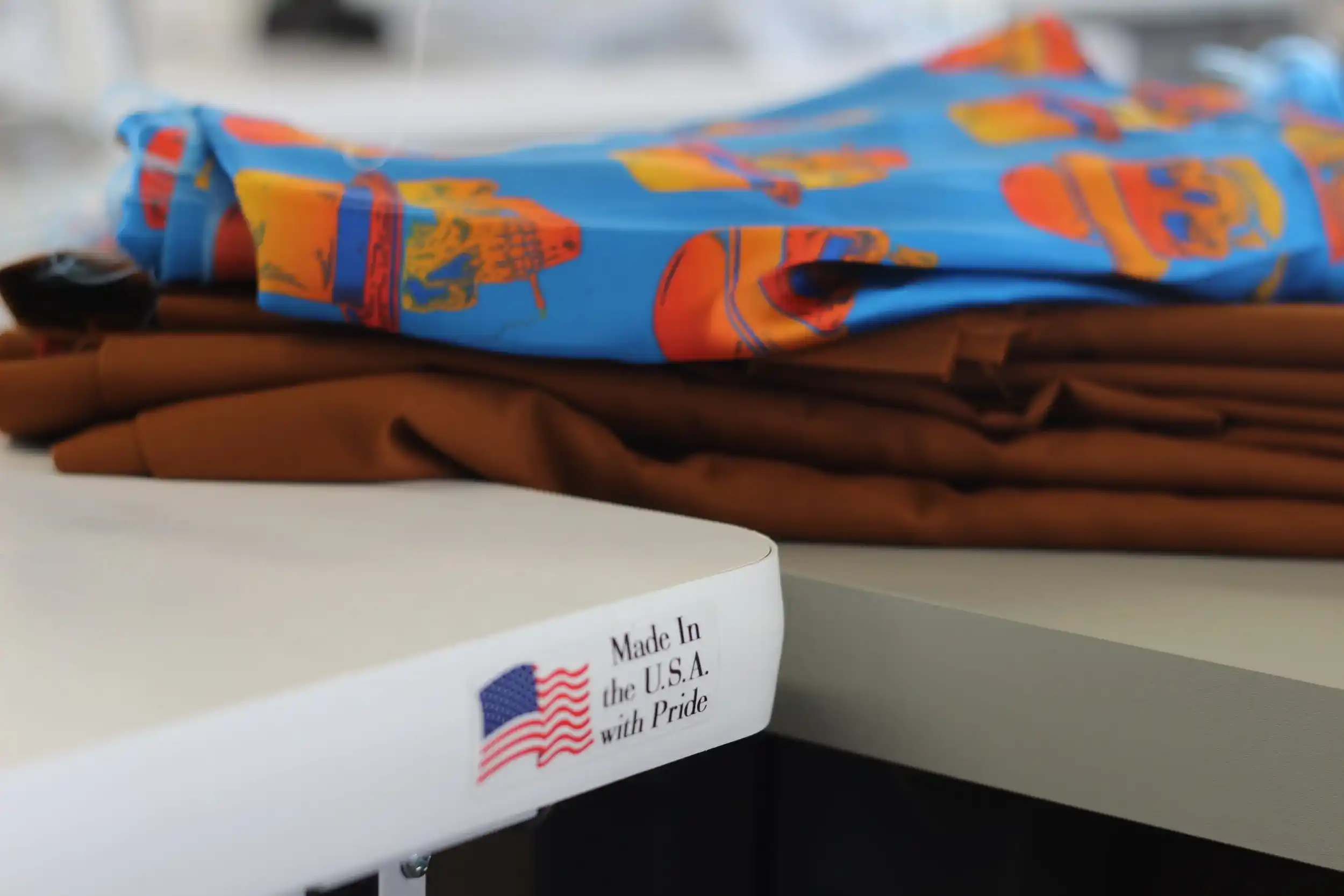
Walk into any store and take a look at the tags on the clothing racks. You’ll see a whole lot of “Made in China,” “Made in Bangladesh,” and “Made in Vietnam.” Then, if you look hard enough, you’ll find a couple of pieces that say, simply and proudly, “Made in the USA.” The distinction between those two tags is more than just where they were manufactured. It’s about craftsmanship and cost, ethics and quality.
At ProdOrigin, we know that your products mean more than just the stuff itself; they are the label and the legacy behind each piece. And while some clothes are mass-produced overseas, a growing number of domestic designers are bucking the trend to make products the old-fashioned way.
From unique and uncommon clothing brands to footwear, denim, and wellness brands, we stand by our American-made homegrown goods and the creators who are making these quality products in the USA.
We love learning more about why buying American-made matters and what the difference is when it comes to made-in-the-USA products. So, we took the time to dive deeper into the distinction between American-made clothing and imported styles so you can make more informed (and more sustainable and more values-aligned) shopping decisions.
Quality: Built to Last vs. Built for Volume
American-made clothing is often synonymous with quality and attention to detail. From the fabric to the finish, many American-made brands use higher-end materials like ring-spun cotton, selvage denim, or wool blends. They are made by skilled craftspeople who have hands-on involvement with every step of the production process, rather than being outsourced to a factory halfway around the world. The result? Clothes that maintain their shape, resist pilling and fraying, and age gracefully.
Imported clothing, on the other hand, tends to be mass-produced in high-volume factories with assembly lines designed for quantity over quality. Yes, some overseas manufacturers pride themselves on excellent quality control. But more often than not, that production is focused on churning out as many products as possible with less attention to detail. It can result in variable stitching, thinner fabrics, and a lower overall lifespan.
In short, American-made clothes are built to last; imported clothes are built to be replaced.
Price: Higher Cost vs. Lower Sticker Tag
This is the most obvious difference and also the most challenging to ignore. American-made clothing costs more. The higher price tag reflects the investment in fair wages, ethical labor practices, and smaller production runs.
Consider the example of a T-shirt: one made in the USA might cost $40, while an imported one might retail for $15. But that $15 shirt is going to wear out and need to be replaced two or three times before that American-made shirt finally gives out. If you consider the cost per wear of each item, those domestic garments often have the best value over time.
Imported clothing wins on sticker shock but often loses on the long game.
Production Practices: Ethics, Environment, and Oversight
The difference between American-made and imported clothing is most profound in how and where, and by whom, the clothes are produced.
Made-in-the-USA clothing adheres to stringent U.S. labor laws regarding workplace safety, hours, minimum wage, and other protections. The facilities are inspected. The materials are traceable.
And most brands that manufacture here are also making the shift to sustainable practices, such as using organic and recycled materials, improving water and energy efficiency, and enhancing supply chain transparency.
Clothing produced overseas is often cheaper, but with significant trade-offs in terms of ethical practices and environmental impact.
Fast-fashion production is one of the most critical drivers of global pollution and textile waste. Many overseas factories are operating with little to no labor laws or environmental regulations, which can lead to unsafe working conditions and environmental hazards. (Of course, there are exceptions: not all imported clothing is made unethically, particularly with smaller brands that emphasize eco-friendly or sustainable production. But the level of verification and transparency necessary to make that claim isn’t easy to find or come by with global suppliers.)
Sustainability: Local Impact vs. Global Footprint
If you buy American-made clothing, you are also shrinking your carbon footprint. Shipping overseas from the U.S. cuts out the need for heavy packaging, ocean freighters, or air transit for each product.
Clothing made in other countries must be transported from fabric mills to assembly plants, then to overseas warehouses, domestic warehouses, and finally to retail stores. It’s a long journey that leaves a significant mark on the environment.
In addition to shipping distance, many American brands also use small-batch models, producing only as much as they need (based on preorders or historical sales) to avoid overproduction and waste. It’s one of the most significant sources of fashion waste in the global industry.
Economic and Community Impact
Buying domestically made products is also an investment in the U.S. economy and the communities they support. It keeps the money local, circulates within the U.S. economy, and supports domestic jobs and small businesses. American-made brands are also often preserving traditional American crafts and trades like tailoring, shoemaking, and textile weaving.
Imported production and sourcing are crucial to global trade and economies. Still, they often result in jobs and skills being lost in the U.S. Buying American-made clothing means investing in your community, not just in consumption.
Design and Style: Heritage vs. Trend Cycles
American-made brands are also more likely to focus on classic, timeless design rather than rapidly changing fashion trends. They produce clothes to be repaired, loved, and worn for decades, not just until the next season’s styles arrive.
You’ll see this especially with heritage denim brands like Rogue Territory or Shockoe Atelier and apparel companies like Buck Mason and American Giant, who focus on silhouettes that transcend fashion fads.
Imported brands, particularly those in the “fast fashion” category, prioritize churning out new styles as frequently as possible, with multiple marketing and micro-trend iterations to encourage fast buying and disposal. It creates a cycle of consumerism that’s not really sustainable or valuable.
Why “Made in the USA” Still Matters
For many of us who buy American-made, it’s more than just ownership. It’s participation. It’s being part of a movement that values and supports good craftsmanship, fair labor, and sustainable production methods.
At ProdOrigin, we’ve been and always will be big supporters of all things “Made in the USA.” We are proud to feature many local, homegrown American-based designers, manufacturers, and small business owners on our platform, offering products and goods made right here in the USA.
From American-made denim to footwear to clothing brands to wellness products, these homegrown brands are producing uncommon, high-quality, and exclusive goods right here in the U.S.A. Purchasing products from these creators is more than just buying, it’s supporting and making a statement about your personal values.
Frequently Asked Questions
1. Why is American-made clothing so much more expensive?
See the list above.
2. Is imported clothing consistently low quality?
Not necessarily. Some imported clothing has excellent standards; it’s just produced on a massive scale. American brands can ensure every detail by having the whole process happen in the United States.
3. Is imported clothing more sustainable?
In most cases, American-made is more sustainable. Imported clothing has to travel further (often around the world) to get to you, and that shipping leads to emissions that contribute to global pollution and climate change. Plus, many large-scale imported clothing manufacturers are in the fast-fashion game, producing quickly to churn out as much product as possible rather than adopting more sustainable practices.
4. How can I know if my clothes are really made in the USA?
Label transparency is key. American-made labels will always state the city or state of origin; a label that just says “Assembled in the USA” is a red flag that parts of it (likely a majority of it) are imported.
5. Where can I find American-made clothes brands?
Well, we have them all right here on ProdOrigin.com! You can see our curated list of trending and uncommon clothing and goods brands that proudly create their goods in the USA here!